


Systems-Oriented Research Methodology
Urvara approaches rural development as a multi-layered economic system, composed of interacting subsystems:
Capital markets • Financial institutions • Industrial enterprises • Public infrastructure • Households and communities • Ecological resources
Research is conducted by mapping flows of capital, income, risk, and incentives across these subsystems, rather than analyzing any single component in isolation.
Economic Modeling Framework
Urvara models how macro-level interventions translate into micro-level outcomes through comprehensive analysis.
- Macro-to-Micro
Linkage AnalysisModels how macro-level interventions—such as infrastructure spending or capital inflows—translate into micro-level outcomes including employment, income stability, and household asset creation. - Production &
Employment ElasticityEvaluates how different industrial structures convert capital into employment, wages, and value addition in rural contexts. - Demand and
Consumption ModelingModels household consumption, housing demand, and credit absorption capacity based on employment stability and income trajectories.

Capital Stack & Financial Engineering Models
Projects are structured using layered capital stacks combining equity, senior debt, local debt, and credit enhancement. Risk is distributed across construction phases, market demand, credit defaults, and policy uncertainty. Detailed modeling includes:
- Industry revenues
- Wage and vendor payments
- Loan servicing capacity
- Refinancing and liquidity pathways

Cooperative Banking Integration Model
Urvara places cooperative institutions at the center of financial transmission, ensuring cooperative banks grow sustainably alongside rural economic expansion.
- Balance-Sheet
Impact AnalysisAnalyzes the balance-sheet implications of cooperative institutions expanding their lending portfolios in housing, consumer, and MSME finance. - Product Design &
Credit UnderwritingDevelops credit products for housing, consumer, and MSME loans with underwriting linked to employment stability and cash flows. - Liquidity Support
MechanismsDesigns liquidity support frameworks via large banks and development finance institutions to ensure sustainable cooperative bank growth.


Institutional & Governance Design
Each model defines clear roles for government, financial institutions, industry operators, cooperatives, and communities. Research includes:
- Decision-making structures
- Accountability and reporting frameworks
- Incentive alignment mechanisms
Infrastructure & PPP Modeling
Infrastructure is treated as a capital efficiency variable, not merely public expenditure.
- Infrastructure
SequencingExamines optimal sequencing and timing of infrastructure investments to maximize private capital attraction and economic impact. - Public-Private
AlignmentStudies coordination mechanisms between government infrastructure delivery and private sector industrial development. - Lifecycle Costing &
PPP Risk-SharingAnalyzes lifecycle costs, economic returns, and risk allocation frameworks for public-private partnership models.

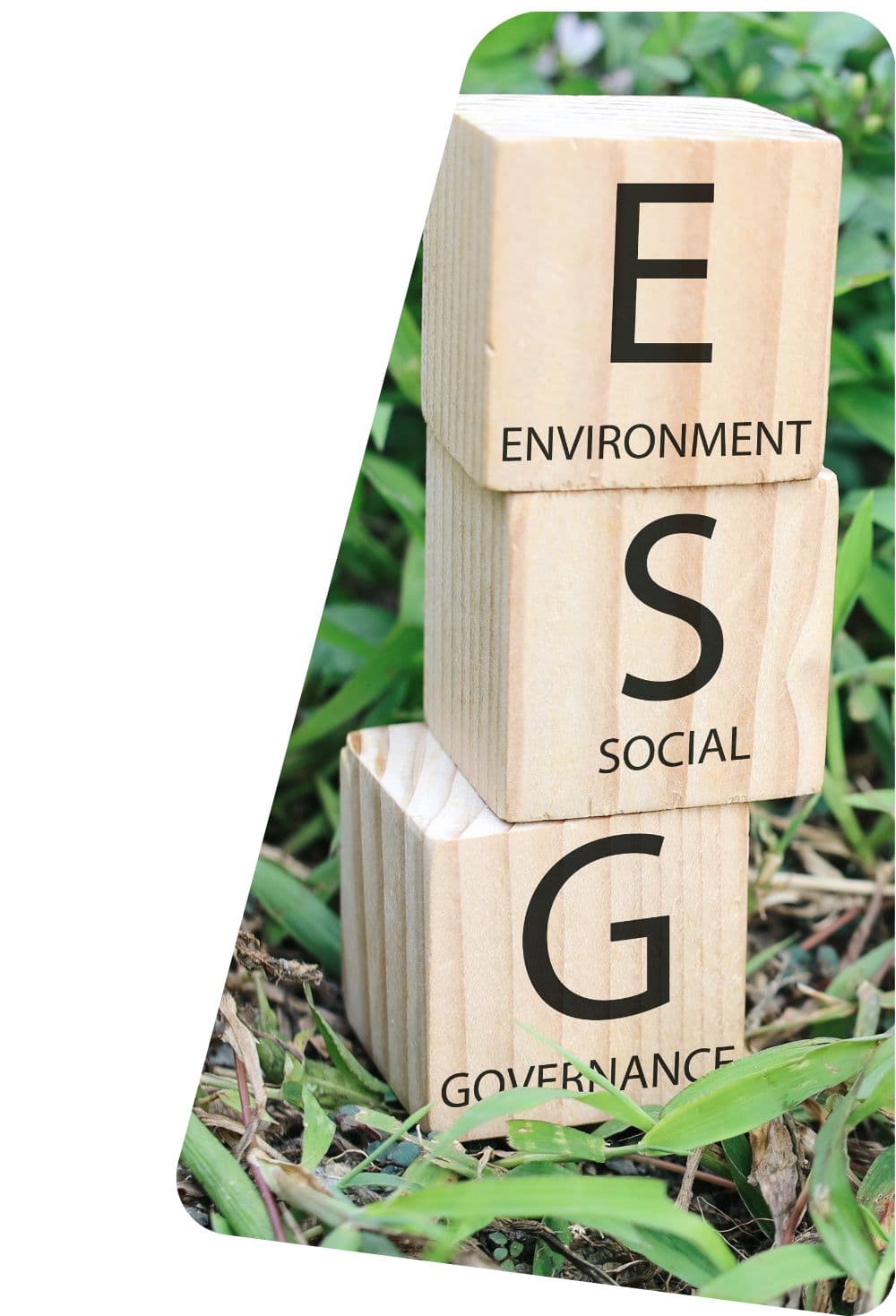
Environmental & Sustainability Modeling
Environmental considerations are embedded into economic design:
- Resource intensity analysis
- Water, soil, and energy constraints
- Climate resilience metrics
- Long-term sustainability thresholds
This ensures economic viability over multi-decade horizons.
Impact Measurement Framework
Urvara applies a multi-dimensional impact framework across economic, financial, and social indicators.
- Economic
IndicatorsEmployment creation, capital deployed, and productivity gains as core measures of economic transformation. - Financial
IndicatorsLoan portfolio performance, default rates, and return stability across cooperative and commercial lending. - Social
IndicatorsMigration trends, asset ownership, and quality-of-life metrics in rural communities.


Replicability & Scaling Logic
Each model is tested against:
- Institutional readiness
- Capital availability
- Regulatory compatibility
- Execution capacity
Only models that demonstrate scalable logic are advanced for further validation.
Research Validation & Iteration
Urvara treats research as iterative, continuously refining models through pilots and feedback.
- Model Refinement
through PilotsContinuously refines economic models through pilot implementations and real-world feedback from stakeholders. - Assumption
Stress-TestingRigorously tests underlying assumptions against varying economic conditions and implementation scenarios. - Framework Evolution
& LearningEvolves frameworks based on institutional learning, policy changes, and emerging economic realities.
Guiding Principle
Sustainable rural transformation requires economic systems that are financially sound, institutionally grounded, ecologically balanced, and socially inclusive.