


Cooperative-Anchored Industrial Capital Model (CAICM)
Designing a national framework where private equity finances rural industry, industry creates stable employment, and cooperative banks expand consumer, housing, and MSME credit, supported by large banks and development finance institutions.
Core Contribution:
Transforms cooperative banks from passive lenders into active financial anchors of rural industrialization.
Rural Employment-Led Credit Expansion Model (RELCE)
Studying how formal rural employment generated by industry leads to sustainable expansion of housing finance, consumer credit, and asset-backed lending through cooperative banks.
Core Contribution:
Establishes employment stability as the foundation of rural credit deepening.


Public Infrastructure as Economic Multiplier (PIEM)
Analyzing how government-led infrastructure investment reduces private capital risk, accelerates industrial viability, and expands cooperative lending capacity.
Core Contribution:
Positions infrastructure as a capital-crowding mechanism, not merely a public expenditure.
Blended Capital Stack for Rural Industry (BCSRI)
Developing financial engineering frameworks that combine private equity, cooperative bank lending, large-bank finance, and development finance into optimized capital stacks.
Core Contribution:
Creates scalable, low-risk capital structures suitable for rural industrial ecosystems.

Rural Housing & Settlement Transformation Model (RHSTM)
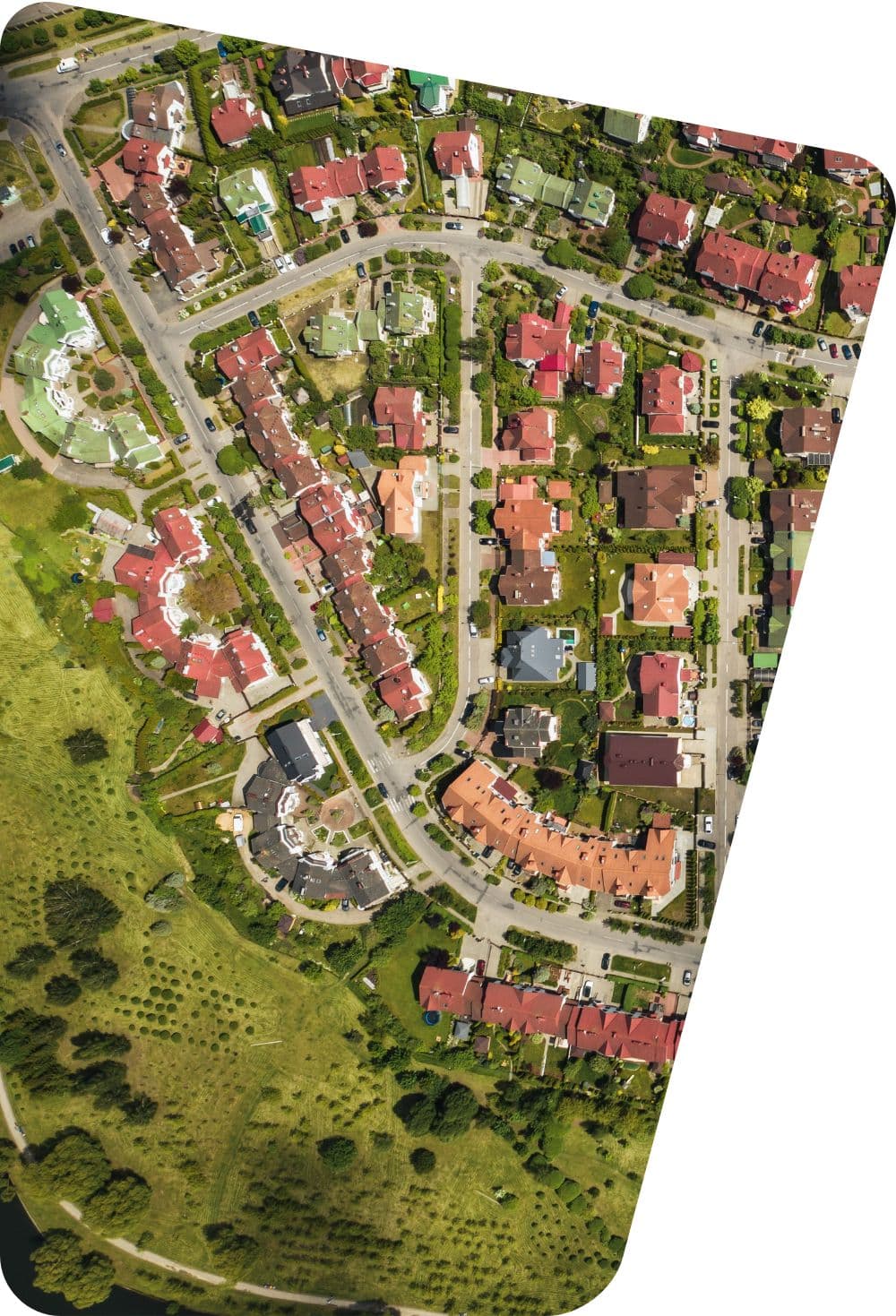
Examining how industrial employment, cooperative housing finance, and public amenities together enable urban-grade rural settlements without migration.
Core Contribution:
Connects housing finance to workforce retention and long-term wealth creation.
Local Enterprise & MSME Supply Chain Model (LESCM)
Integrating local MSMEs into industrial supply chains through cooperative-financed vendor ecosystems and demand assurance from anchor industries.
Core Contribution:
Builds dense, resilient rural enterprise networks around anchor industry.

Rural Wealth Creation & Balance Sheet Deepening Model (RWCBDM)
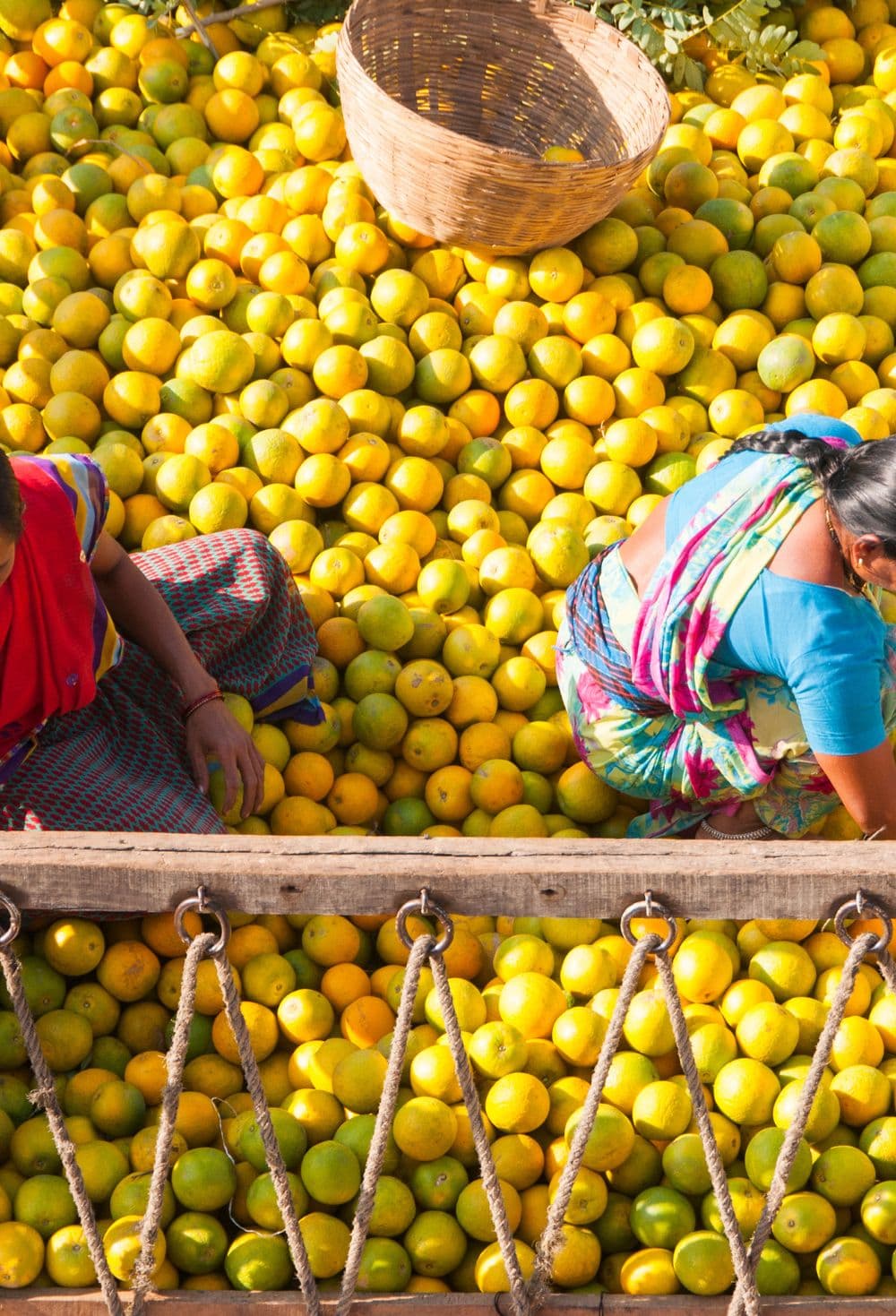
Studying long-term rural wealth formation through coordinated growth of employment, housing, consumption, savings, and financial assets.
Core Contribution:
Demonstrates how rural economies transition from income volatility to balance-sheet stability.
Transition to Detailed Research
These projects collectively form a coherent research program. Readers are encouraged to explore each project in detail to understand how the models interlock to form a comprehensive rural economic transformation framework.